
Do you find yourself reaching for the antacids every time...
Abnormal Liver Enzymes (ALT & AST): What They Mean and When to See a Gastroenterologist
What to Expect Within 24 Hours of Your First Colonoscopy
Are you scheduled for your first colonoscopy and have no...
6 Foods to Help Relieve Constipation
Constipation is a common digestive issue that can cause...
Is Bright Red Blood in My Stool Dangerous?
Seeing bright red blood in your stool can be alarming and...
Why Do I Have Diarrhea So Often?
Experiencing frequent diarrhea can be distressing and...
Tips for Starting an Elimination Diet
If you've been dealing with unexplained digestive issues,...
Help! I Just Found Out My Child Is Lactose Intolerant
Discovering that your child is lactose intolerant can be a...
Could You Have IBS and Not Know?
Irritable bowel syndrome (IBS) is a common...
Fiber Myths Many People Still Believe
Fiber is an essential part of a healthy diet, but it...
Everything You Didn’t Know About Cirrhosis
While you might have some understanding of cirrhosis and...
It's common to feel concerned after reviewing routine blood work and noticing that your ALT or AST levels are marked as "high." For many people, this is the first time they've heard about liver enzymes, and naturally, questions arise. Does this mean there's something wrong with your liver? Could it be caused by your diet, medications, alcohol, or something more serious?
The truth is that abnormal liver enzymes don't automatically mean you have liver disease. In fact, mildly elevated liver enzymes are relatively common and are often discovered during routine physical exams or blood tests performed for unrelated reasons. However, these results should never be ignored because they may be the earliest sign of inflammation, fatty liver disease, viral hepatitis, medication-related liver injury, or another condition affecting your liver.
Your liver performs hundreds of essential functions every day. It filters toxins, processes nutrients, stores energy, produces important proteins, and helps digest fats. When liver cells become irritated or injured, enzymes such as alanine aminotransferase (ALT) and aspartate aminotransferase (AST) can leak into the bloodstream, causing blood test results to rise above the normal range.
The good news is that many causes of elevated ALT and AST are treatable, especially when identified early. Understanding what abnormal liver enzymes actually mean—and knowing when further evaluation is necessary—can help protect your liver health and prevent long-term complications.
Table of Contents
- What Are ALT and AST?
- Why Are Liver Enzymes Elevated?
- Symptoms of Abnormal Liver Enzymes
- Common Causes of Elevated ALT and AST
- When Should You Be Concerned?
- How Elevated Liver Enzymes Are Evaluated
- Treatment Options
- Liver Care in Katy, TX
- Frequently Asked Questions
Important Note
Seeing elevated liver enzymes on your blood test can be alarming, but these results don't tell the whole story by themselves. Some causes are temporary and easily managed, while others require further evaluation to prevent liver damage. Understanding why your ALT or AST is elevated is far more important than focusing on the numbers alone.
What Are ALT and AST?
ALT (alanine aminotransferase) and AST (aspartate aminotransferase) are enzymes found primarily inside liver cells. Their normal role is to help the body process amino acids, which are the building blocks of proteins.
Under healthy conditions, only small amounts of these enzymes circulate in your bloodstream. When liver cells become irritated, inflamed, or injured, they release larger amounts of ALT and AST into the blood, resulting in elevated levels on routine laboratory testing.
Although ALT and AST are often discussed together, they are slightly different.
ALT is found mostly in the liver, making it one of the most useful indicators of liver inflammation or injury.
AST is also present in the liver but can be found in other tissues, including the heart, skeletal muscles, kidneys, and brain. Because of this, an elevated AST level doesn't always mean the liver is the source of the problem.
Your healthcare provider interprets these enzymes alongside other laboratory values, your medical history, physical examination, and any symptoms you may be experiencing.
Why Are Liver Enzymes Elevated?
Many people assume elevated liver enzymes automatically indicate severe liver disease, but that's not always true. ALT and AST simply tell us that liver cells have been stressed or injured—they don't identify the exact cause.
Sometimes elevations are mild and temporary, returning to normal after an illness resolves or a medication is changed. In other cases, abnormal liver enzymes may be the first indication of a chronic liver condition that has not yet caused noticeable symptoms.
The degree of elevation also matters. Mild elevations are relatively common and often associated with fatty liver disease or medications, while significantly higher levels may suggest acute liver injury, viral hepatitis, or another more serious condition. However, even mild abnormalities deserve attention if they persist over time.
Because many liver diseases develop silently, abnormal blood tests often provide the earliest opportunity for diagnosis and treatment.
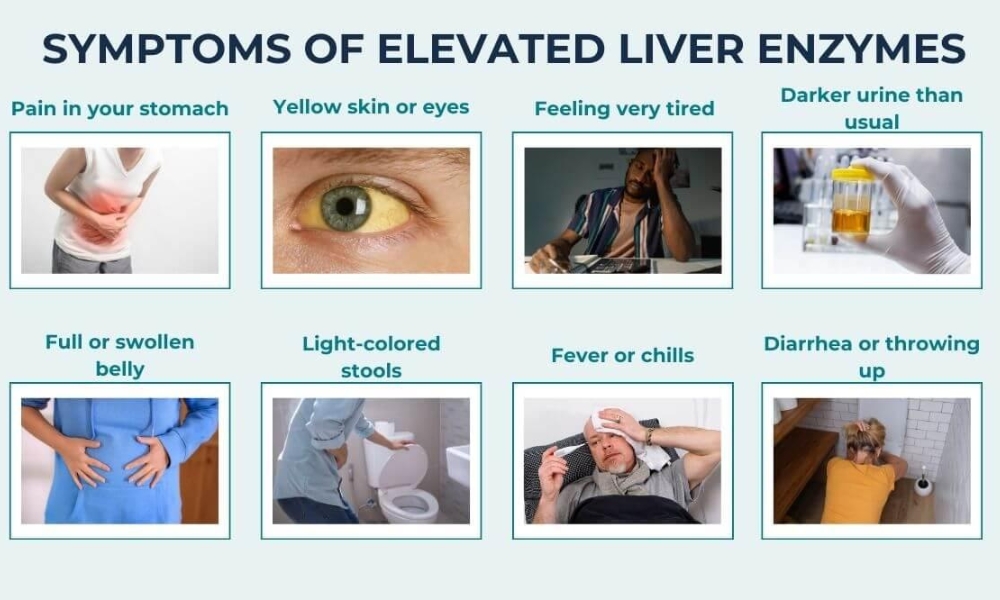
Do Elevated Liver Enzymes Cause Symptoms?
One of the surprising things about abnormal liver enzymes is that they often cause no symptoms at all. Many patients feel perfectly healthy and only discover elevated ALT or AST during routine blood work ordered for an annual physical, insurance examination, or evaluation of another medical condition.
When symptoms do occur, they usually reflect the underlying liver condition rather than the elevated enzymes themselves.
Possible symptoms include:
- Persistent fatigue
- Weakness
- Discomfort or pain in the upper right abdomen
- Loss of appetite
- Nausea
- Unexplained weight loss
- Dark-colored urine
- Yellowing of the skin or eyes (jaundice)
- Itchy skin
These symptoms don't automatically mean serious liver disease is present, but they do warrant prompt medical evaluation, especially when combined with abnormal laboratory results.
Common Causes of Elevated ALT and AST
Many different conditions can cause abnormal liver enzymes. Some are temporary and reversible, while others require long-term monitoring and treatment.
Metabolic Dysfunction-Associated Steatotic Liver Disease (MASLD)
One of the most common causes of elevated liver enzymes today is metabolic dysfunction-associated steatotic liver disease (MASLD), previously known as nonalcoholic fatty liver disease (NAFLD).
This condition occurs when excess fat accumulates within the liver, often in people who have obesity, type 2 diabetes, high cholesterol, insulin resistance, or metabolic syndrome.
Many patients with MASLD have no symptoms, making routine blood tests an important tool for early detection.
Alcohol-Related Liver Disease
Regular heavy alcohol consumption can injure liver cells and cause elevated AST and ALT levels. In many cases, reducing or eliminating alcohol intake allows the liver to recover, particularly when damage is detected early.
Long-term excessive alcohol use, however, increases the risk of alcoholic hepatitis, fibrosis, and cirrhosis.
Viral Hepatitis
Infections caused by hepatitis B or hepatitis C viruses can inflame the liver and increase liver enzyme levels. Because chronic hepatitis often develops silently over many years, screening and early diagnosis are essential for preventing progressive liver damage.
Medications and Supplements
Many prescription medications, over-the-counter pain relievers, herbal supplements, and certain vitamins may temporarily raise liver enzymes.
Examples include:
- Acetaminophen (especially at high doses)
- Some cholesterol-lowering medications
- Certain antibiotics
- Anti-seizure medications
- Herbal supplements
- Bodybuilding or performance-enhancing supplements
Never stop prescribed medication without discussing it with your healthcare provider, but always mention every medication and supplement you're taking during your evaluation.
Important Note
Finding out that your liver enzymes are elevated doesn't necessarily mean you have permanent liver damage. Many people are surprised to learn that abnormal ALT and AST levels are often reversible once the underlying cause is identified. Rather than worrying about the numbers alone, focus on getting an accurate diagnosis and following a treatment plan that protects your liver for the future.
Other Conditions That Can Raise Liver Enzymes
Although fatty liver disease, alcohol use, viral hepatitis, and medications account for many cases of elevated ALT and AST, gastroenterologists also evaluate for several less common conditions that may affect the liver.
Autoimmune Hepatitis
Autoimmune hepatitis occurs when the body's immune system mistakenly attacks healthy liver cells, causing ongoing inflammation. Without treatment, chronic inflammation can eventually lead to scarring of the liver. Blood tests and, in some cases, a liver biopsy help confirm the diagnosis.
Hemochromatosis
Hemochromatosis is an inherited condition that causes excessive iron to accumulate in the body. Over time, excess iron may damage the liver, heart, pancreas, and other organs. Early diagnosis allows treatment before permanent complications develop.
Wilson Disease
Wilson disease is a rare inherited disorder in which copper builds up in the liver and other tissues. Although uncommon, it is an important consideration in younger patients with unexplained liver enzyme abnormalities.
Muscle Injury
Because AST is also found in skeletal muscles, strenuous exercise, muscle injuries, or certain muscle disorders can sometimes elevate AST without indicating liver disease. Your healthcare provider may order additional laboratory tests to determine whether the liver or muscles are responsible for the abnormal results.
Bile Duct Disorders
Conditions affecting the bile ducts—including gallstones, bile duct obstruction, and certain autoimmune disorders—may also produce abnormal liver blood tests. Depending on which enzymes are elevated, imaging studies may be recommended to evaluate the bile ducts and surrounding structures.

When Should You Be Concerned About Elevated Liver Enzymes?
Not every abnormal liver test represents an emergency, but persistent or significantly elevated liver enzymes should never be ignored. The liver has a remarkable ability to heal itself, especially when problems are identified early. Delaying evaluation, however, may allow chronic liver disease to progress silently.
You should schedule a medical evaluation if:
- Your ALT or AST remains elevated on repeat testing.
- You have risk factors for fatty liver disease, hepatitis, or excessive alcohol use.
- You develop yellowing of the skin or eyes.
- You experience persistent fatigue, abdominal discomfort, or unexplained weight loss.
- You have a family history of liver disease.
- Your healthcare provider recommends further evaluation after routine blood work.
You should seek immediate medical attention if elevated liver enzymes are accompanied by severe abdominal pain, confusion, persistent vomiting, significant jaundice, or signs of acute liver failure. Although uncommon, these symptoms require urgent medical care.
How Are Abnormal Liver Enzymes Evaluated?
Finding elevated ALT or AST is only the beginning of the diagnostic process. Your gastroenterologist's goal is to determine why the liver enzymes are abnormal and whether liver damage is present.
The evaluation typically starts with a detailed medical history. Your physician may ask about alcohol consumption, prescription medications, over-the-counter drugs, herbal supplements, family history of liver disease, recent illnesses, travel history, and conditions such as diabetes or obesity.
Blood Tests
Additional laboratory testing often includes a complete liver panel, hepatitis screening, iron studies, autoimmune markers, and other specialized blood tests depending on your individual risk factors.
Ultrasound Imaging
A liver ultrasound is commonly performed to evaluate the size and appearance of the liver, identify fatty liver disease, detect gallstones, and assess for structural abnormalities.
Fibrosis Assessment
If chronic liver disease is suspected, your physician may recommend non-invasive fibrosis testing to estimate the amount of liver scarring. These specialized tests help determine whether inflammation has progressed to fibrosis or cirrhosis.
Liver Biopsy
Although many patients never need one, a liver biopsy may occasionally be recommended when blood tests and imaging cannot fully explain the cause of abnormal liver enzymes or when additional information is needed to guide treatment.
Every patient requires an individualized evaluation. The exact testing depends on your laboratory results, symptoms, medical history, and overall health.
Treatment Depends on the Underlying Cause
There isn't a medication that simply "lowers" ALT or AST. Instead, treatment focuses on correcting the condition responsible for the abnormal liver tests.
Managing Fatty Liver Disease
For patients with MASLD, treatment often includes gradual weight loss, regular physical activity, blood sugar control, cholesterol management, and dietary improvements. Even modest weight reduction can significantly improve liver health in many individuals.
Treating Viral Hepatitis
Modern antiviral medications have dramatically improved outcomes for hepatitis B and hepatitis C, allowing many patients to prevent progressive liver damage through early treatment.
Adjusting Medications
If a medication or supplement is contributing to liver injury, your healthcare provider may recommend changing or discontinuing it when medically appropriate. Never stop prescription medications without professional guidance.
Reducing Alcohol Intake
For alcohol-related liver disease, avoiding alcohol gives the liver the best opportunity to recover and may prevent further damage.
Long-Term Monitoring
Some liver conditions require ongoing monitoring even after treatment begins. Repeat blood tests and periodic imaging help ensure liver health continues to improve and allow your physician to detect changes early.
With appropriate diagnosis and treatment, many people see their liver enzyme levels return to normal or improve significantly over time.
Can You Prevent Elevated Liver Enzymes?
While not every liver condition can be prevented, there are many steps you can take to support long-term liver health and reduce your risk of developing abnormal liver enzymes.
Maintaining a healthy weight is one of the most effective ways to lower the risk of metabolic dysfunction-associated steatotic liver disease (MASLD). Regular physical activity, a balanced diet rich in vegetables, fruits, lean proteins, whole grains, and healthy fats, along with limiting added sugars and highly processed foods, can help protect the liver.
If you drink alcohol, do so in moderation and discuss safe limits with your healthcare provider, especially if you already have liver disease or elevated liver enzymes.
Only take medications as directed, including over-the-counter pain relievers such as acetaminophen. Avoid combining medications with alcohol unless specifically approved by your physician, and always inform your healthcare provider about vitamins, herbal supplements, and performance-enhancing products you use.
If you're at increased risk for viral hepatitis, vaccination against hepatitis B and appropriate hepatitis screening can help identify infection before significant liver damage occurs.
Finally, don't ignore routine blood work. Mildly elevated liver enzymes may be the earliest sign of a condition that is much easier to manage when detected early.
Living With Elevated Liver Enzymes
Learning that your liver enzymes are elevated often causes unnecessary fear. Many patients immediately worry about liver failure or permanent liver damage. Fortunately, that's rarely the case.
In many situations, abnormal ALT and AST simply indicate that your liver needs further evaluation—not that irreversible damage has already occurred. The liver is one of the few organs capable of repairing itself when the underlying problem is addressed early.
During the evaluation process, continue following your physician's recommendations, attend follow-up appointments, and complete any additional testing that is ordered. Avoid making major dietary changes or stopping medications without professional guidance.
If your liver enzyme elevations are related to fatty liver disease, lifestyle improvements often produce meaningful results over time. For viral hepatitis, autoimmune liver disease, and other chronic conditions, modern treatment options can significantly reduce inflammation and protect long-term liver function.
The most important step is identifying the reason behind the abnormal blood tests rather than focusing solely on the numbers.
Expert Liver Evaluation in Katy, TX
If routine blood work shows elevated ALT or AST levels, or you've been experiencing symptoms that may indicate liver disease, a comprehensive evaluation can help determine the cause before complications develop.
At Imperial Digestive Health Specialists PLLC, Dr. Oforbuike Ewelukwa provides expert evaluation and treatment for a wide range of digestive and liver conditions. Whether your abnormal liver enzymes are related to liver disease, fatty liver, viral hepatitis, medication effects, or another condition, we develop individualized treatment plans based on your specific diagnosis and overall health.
As an experienced gastroenterologist in Katy, TX, Dr. Ewelukwa combines advanced diagnostic testing with evidence-based care to help patients understand their liver health and prevent long-term complications.
If you've recently been told your liver enzymes are elevated, scheduling an evaluation can provide answers, reassurance, and a clear path forward.
[IMAGE: Gastroenterologist discussing liver ultrasound images and personalized treatment recommendations with a patient during a consultation.]
Frequently Asked Questions
What do elevated ALT and AST mean?
Elevated ALT and AST usually indicate that liver cells have become irritated or injured. The abnormal results don't identify the exact cause, which is why additional evaluation is often needed.
Can elevated liver enzymes return to normal?
Yes. Many people see their ALT and AST levels return to normal after treating the underlying cause, such as fatty liver disease, medication-related liver injury, viral hepatitis, or excessive alcohol use.
Should I worry if my liver enzymes are only slightly elevated?
Mild elevations are common and aren't always serious, but they shouldn't be ignored. Persistent abnormalities may be the earliest sign of liver disease and deserve medical evaluation.
Can fatty liver cause elevated ALT and AST?
Yes. Metabolic dysfunction-associated steatotic liver disease (MASLD) is one of the most common causes of mildly elevated liver enzymes, particularly in people with obesity, diabetes, high cholesterol, or metabolic syndrome.
Will I need additional testing?
Possibly. Depending on your medical history and laboratory results, your gastroenterologist may recommend repeat blood tests, hepatitis screening, liver ultrasound, fibrosis assessment, or other specialized testing to determine the cause.
When should I see a gastroenterologist for elevated liver enzymes?
You should consider seeing a gastroenterologist if your liver enzymes remain elevated on repeat testing, if you have symptoms of liver disease, or if your primary care provider recommends further evaluation to identify the underlying cause.
Final Thoughts
Abnormal liver enzymes are a signal that your liver deserves attention—not necessarily that permanent damage has already occurred. Because many liver conditions develop quietly, elevated ALT and AST levels often provide the first opportunity to identify problems before symptoms become severe.
Whether the cause is fatty liver disease, viral hepatitis, medication effects, alcohol-related liver injury, or another condition, early diagnosis allows treatment to begin before long-term complications develop.
If your blood tests show elevated liver enzymes, don't ignore the results or assume they'll resolve without evaluation. Working with an experienced gastroenterologist can help determine the cause, guide appropriate treatment, and support your long-term liver health.
Medical Disclaimer
This article is intended for educational purposes only and should not replace professional medical advice, diagnosis, or treatment. If you have elevated liver enzymes, jaundice, severe abdominal pain, persistent vomiting, confusion, or other concerning symptoms, consult a qualified healthcare provider promptly. Seek emergency medical attention if you experience symptoms that suggest acute liver failure or another medical emergency.