
A colonoscopy is an excellent diagnostic technique we use...
Chronic Diarrhea: When to See a Gastroenterologist
Are Laxatives Safe to Use Regularly?
If you’re constipated, one of the easiest things to...
What Your Yellow Eyes May Be Telling You
If you notice that the whites of your eyes have shifted to...
My Spouse Belches Too Much
Belching can be a common problem. It can also be a funny...
8 Conditions That Cause Bloody Stool
If you have blood in your stool, this could be a troubling...
Do I Need Treatment for My Hemorrhoids?
You might feel embarrassed talking about hemorrhoids, but...
5 Ways to Lower Your Risk for Cancer
If you could take a magic pill to keep cancer away, would...
What to Do About Chronic Constipation
Chronic constipation affects about 15-20% of people in the...
Endoscopy: What to Expect
If you suffer from digestive problems, an endoscopy can...
6 Tips to Help Control Your Acid Reflux Symptoms
The symptoms of acid reflux can range from mild to severe....
Everyone experiences diarrhea occasionally. A stomach virus, food poisoning, or a meal that didn't agree with you can lead to loose stools for a day or two before things return to normal. But what happens when diarrhea doesn't stop? If you've been making frequent trips to the bathroom for weeks, rearranging your daily routine around restroom access, or worrying about every meal you eat, you're not dealing with a typical stomach bug anymore.
Chronic diarrhea can affect nearly every aspect of life. It can interfere with work, travel, social events, sleep, and even your confidence to leave home. Some people become anxious about eating in public because they're afraid symptoms will start unexpectedly. Others begin avoiding favorite foods or notice ongoing fatigue from dehydration and poor nutrient absorption.
While chronic diarrhea is sometimes caused by a relatively manageable digestive disorder, it can also signal inflammatory bowel disease, infections, malabsorption syndromes, medication side effects, or, less commonly, colorectal cancer. The longer symptoms continue, the more important it becomes to identify the underlying cause rather than simply treating the diarrhea itself.
The encouraging news is that most causes of chronic diarrhea can be diagnosed with a thorough evaluation, and many respond well to targeted treatment. Understanding when diarrhea becomes a medical concern—and knowing when to see a gastroenterologist—can help you find answers sooner and prevent unnecessary complications.
Table of Contents
- What Is Chronic Diarrhea?
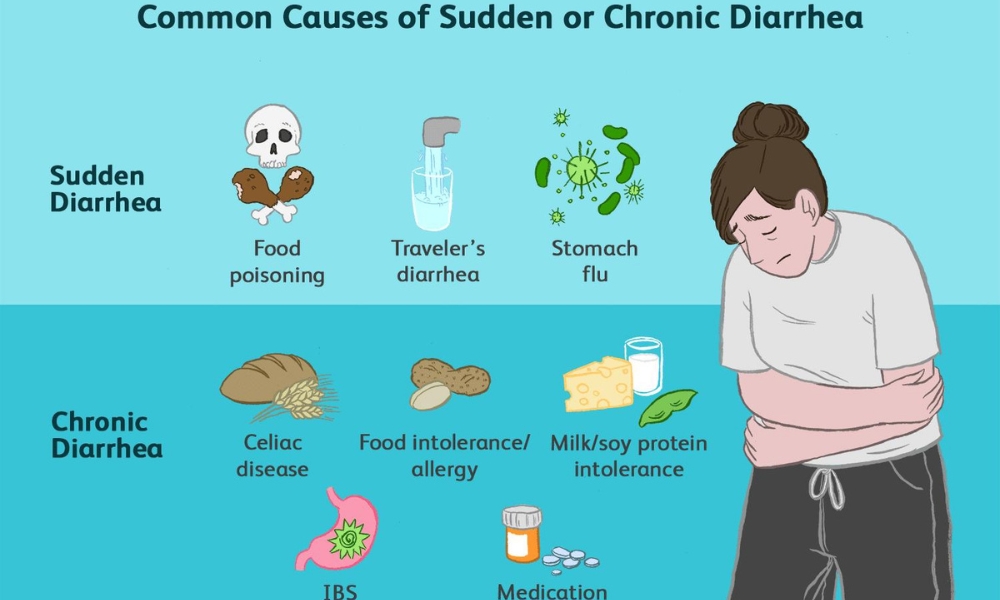
- Common Causes of Chronic Diarrhea
- Symptoms That Shouldn't Be Ignored
- When Should You See a Gastroenterologist?
- How Chronic Diarrhea Is Diagnosed
- Treatment Options
- Can Chronic Diarrhea Be Prevented?
- Chronic Diarrhea Care in Katy, TX
- Frequently Asked Questions
Important Note
Persistent diarrhea isn't something you should simply learn to live with. Although many cases are caused by treatable digestive conditions, ongoing diarrhea can also lead to dehydration, nutritional deficiencies, and significant disruption to your daily life. Identifying the underlying cause early often leads to more effective treatment and greater peace of mind.
What Is Chronic Diarrhea?
Diarrhea refers to loose, watery, or unusually frequent bowel movements. Most episodes caused by infections or temporary digestive irritation resolve within several days. Chronic diarrhea, however, is different.
Healthcare providers generally define chronic diarrhea as diarrhea that lasts four weeks or longer. Some people experience frequent watery stools every day, while others have symptoms that come and go but continue recurring over several weeks or months.
Chronic diarrhea is not a disease itself—it's a symptom. It tells us that something is interfering with the normal function of the digestive tract. That problem may involve inflammation, infection, food intolerance, abnormal absorption of nutrients, medication effects, or changes in how the intestines move waste through the body.
Because there are many possible causes, identifying the reason behind chronic diarrhea is far more important than simply trying to stop the symptoms with over-the-counter medications.
Some patients experience only loose stools, while others also develop abdominal cramping, urgency, bloating, fatigue, or unintended weight loss. The specific combination of symptoms often provides valuable clues that help guide diagnosis.
Common Causes of Chronic Diarrhea
There isn't one single explanation for persistent diarrhea. In fact, gastroenterologists evaluate a wide variety of digestive conditions that can produce similar symptoms. Understanding the most common possibilities helps explain why a thorough medical evaluation is often necessary.
Irritable Bowel Syndrome (IBS)
One of the leading causes of chronic diarrhea is irritable bowel syndrome with diarrhea (IBS-D). IBS affects how the intestines function but does not cause permanent damage to the digestive tract.
People with IBS-D often notice:
- Loose stools associated with abdominal cramping
- Symptoms that improve after a bowel movement
- Periods of worsening symptoms during stress
- Bloating or excessive gas
- Alternating normal bowel movements and diarrhea
Although IBS can significantly affect quality of life, it does not increase the risk of colorectal cancer or inflammatory bowel disease. Even so, new or worsening symptoms should always be evaluated before assuming IBS is the cause.
Inflammatory Bowel Disease (IBD)
Unlike IBS, inflammatory bowel disease causes ongoing inflammation within the digestive tract. The two main forms are Crohn's disease and ulcerative colitis.
Patients with IBD may experience:
- Persistent diarrhea
- Blood in the stool
- Abdominal pain
- Weight loss
- Fatigue
- Urgent bowel movements
Because untreated inflammation can damage the intestines over time, early diagnosis and appropriate treatment are important for long-term digestive health.
Chronic Infections
Some bacterial, parasitic, or less commonly viral infections can cause diarrhea that lasts far longer than expected. This is especially important after international travel, consuming contaminated food or water, or taking recent courses of antibiotics.
Certain infections, including Clostridioides difficile (commonly called C. diff), may continue causing symptoms until specific treatment is provided.
Food Intolerances and Malabsorption
Some individuals develop chronic diarrhea because their digestive system has difficulty processing certain foods or absorbing nutrients effectively.
Examples include:
- Lactose intolerance
- Celiac disease
- Fructose intolerance
- Bile acid malabsorption
- Pancreatic enzyme insufficiency
Unlike food allergies, these conditions often produce digestive symptoms without triggering an immune reaction throughout the body.

Medication Side Effects
Many commonly prescribed medications can contribute to chronic diarrhea. Antibiotics, metformin, certain acid-reducing medications, magnesium-containing supplements, chemotherapy drugs, and some blood pressure medications are just a few examples.
If diarrhea begins after starting a new medication, don't stop taking it on your own. Instead, speak with your healthcare provider to determine whether an alternative treatment or dosage adjustment may be appropriate.
Microscopic Colitis
Microscopic colitis is an inflammatory condition that frequently affects middle-aged and older adults. Unlike ulcerative colitis or Crohn's disease, the colon often appears normal during a colonoscopy. Diagnosis requires tiny tissue samples (biopsies) collected during the procedure.
Patients often experience persistent watery diarrhea without visible blood, making this condition easy to overlook unless biopsies are performed.
Less Common Causes
Depending on your medical history and symptoms, your gastroenterologist may also evaluate for thyroid disorders, chronic pancreatitis, small intestinal bacterial overgrowth (SIBO), certain endocrine conditions, or, less commonly, colorectal cancer.
Although cancer is not the most frequent cause of chronic diarrhea, persistent bowel changes—particularly when accompanied by rectal bleeding, unexplained weight loss, or iron deficiency anemia—should always be evaluated promptly.
Important Note
It's understandable to hope that chronic diarrhea will eventually resolve on its own, especially if symptoms come and go. Fortunately, many causes are highly treatable. However, recurring or persistent diarrhea shouldn't be ignored because ongoing inflammation, infection, or malabsorption can lead to dehydration, vitamin deficiencies, and other complications. A proper diagnosis is the first step toward lasting relief.
Symptoms That Shouldn't Be Ignored
Not all cases of chronic diarrhea are equally concerning. Some people experience mild loose stools without any additional symptoms, while others develop warning signs that suggest a more significant digestive disorder.
Pay close attention to symptoms that accompany diarrhea, as they often help identify the underlying cause.
Warning symptoms include:
- Persistent diarrhea lasting more than four weeks
- Blood in the stool or black, tarry stools
- Severe or worsening abdominal pain
- Unexplained weight loss
- Persistent fatigue or weakness
- Fever that continues beyond a few days
- Diarrhea that frequently wakes you from sleep
- Signs of dehydration such as dizziness, dry mouth, or reduced urination
These symptoms don't necessarily mean a serious illness is present, but they do indicate that further medical evaluation is appropriate.
Many patients also notice that chronic diarrhea begins affecting their emotional well-being. Anxiety about restroom availability, avoiding travel, skipping meals before leaving home, or feeling embarrassed in social situations are common experiences that deserve compassionate medical attention.
When Should You See a Gastroenterologist?
Many episodes of diarrhea improve within several days without medical treatment. However, diarrhea that continues for weeks is different. Rather than repeatedly trying over-the-counter medications, it's important to determine why your digestive system isn't functioning normally.
You should schedule an appointment with a gastroenterologist if:
- Diarrhea lasts longer than four weeks
- Symptoms continue returning despite treatment
- You notice blood in your stool
- You develop ongoing abdominal pain or cramping
- You experience unexplained weight loss
- You have anemia or nutritional deficiencies
- There is a family history of inflammatory bowel disease or colorectal cancer
- Your symptoms interfere with work, sleep, or daily activities
Seeking evaluation doesn't necessarily mean something serious is wrong. In fact, many patients are relieved to discover that their symptoms are caused by manageable conditions such as IBS, food intolerances, or medication effects. Nevertheless, proper testing helps rule out more significant diseases and allows treatment to target the actual cause.
How Is Chronic Diarrhea Diagnosed?
Diagnosing chronic diarrhea requires looking beyond the symptom itself. Because many digestive disorders can produce similar complaints, your gastroenterologist will perform a thorough evaluation before recommending treatment.
The process usually begins with a detailed discussion about your symptoms, including:
- How long diarrhea has been present
- How often bowel movements occur
- Whether symptoms occur after eating
- The presence of blood, mucus, or nighttime diarrhea
- Recent travel or antibiotic use
- Your current medications
- Family history of digestive diseases
Laboratory Testing
Blood tests may help identify anemia, signs of inflammation, electrolyte abnormalities, thyroid disorders, or nutritional deficiencies. Stool testing can detect infections, inflammation, blood, or problems with digestion and absorption.
Colonoscopy
For many adults with persistent diarrhea—particularly those over age 45 or those with warning signs—a colonoscopy plays an important role in diagnosis.
Colonoscopy allows the gastroenterologist to examine the lining of the colon directly and evaluate for:
- Inflammatory bowel disease
- Microscopic colitis (through biopsies)
- Colon polyps
- Colorectal cancer
- Other structural abnormalities
Even when the colon appears healthy, small biopsies may reveal microscopic inflammation that cannot be seen with the naked eye.
Upper Endoscopy
If symptoms suggest celiac disease, malabsorption, or upper digestive tract disorders, an upper endoscopy may also be recommended to examine the esophagus, stomach, and upper small intestine while obtaining tissue samples when needed.
Additional specialized tests may be recommended depending on your symptoms, helping ensure an accurate diagnosis rather than relying on guesswork.
Treatment Depends on the Underlying Cause
Because chronic diarrhea has many possible causes, there is no single treatment that works for everyone. The most effective approach focuses on treating the condition responsible for the symptoms instead of simply slowing bowel movements.
Managing IBS
For patients with IBS-D, treatment may include dietary modifications, stress management strategies, medications that regulate bowel function, and identifying foods that trigger symptoms.
Treating Inflammatory Bowel Disease
If Crohn's disease or ulcerative colitis is diagnosed, treatment often involves medications that reduce inflammation, control immune system activity, and help maintain long-term remission.
Treating Infections
Bacterial or parasitic infections usually require targeted medications rather than general anti-diarrheal therapies. Correct treatment depends on identifying the specific organism responsible.
Addressing Food Intolerances
When lactose intolerance, celiac disease, or another dietary condition is identified, eliminating the triggering food while maintaining proper nutrition often leads to significant improvement.
Medication Adjustments
If a prescription medication is contributing to chronic diarrhea, your healthcare provider may recommend adjusting the dose or switching to an alternative treatment whenever appropriate.
Many patients experience substantial improvement once the underlying condition is properly diagnosed and managed. Rather than continuously treating symptoms, identifying the cause provides a more effective long-term solution.
Can Chronic Diarrhea Be Prevented?
Not every cause of chronic diarrhea can be prevented, but healthy lifestyle habits and early attention to digestive symptoms can reduce your risk of developing certain gastrointestinal conditions.
Maintaining a balanced diet rich in fruits, vegetables, lean proteins, and whole grains supports overall digestive health. Drinking enough water, limiting excessive alcohol consumption, and avoiding tobacco products may also benefit your gastrointestinal system.
It's equally important to use antibiotics only when prescribed. While these medications are essential for treating bacterial infections, unnecessary use can disrupt the normal balance of bacteria in the intestines and increase the risk of conditions such as Clostridioides difficile infection.
If you notice that certain foods consistently trigger diarrhea, keeping a food and symptom diary can help identify possible intolerances. However, avoid eliminating major food groups without medical guidance, as doing so may lead to nutritional deficiencies or make diagnosis more difficult.
Finally, don't ignore persistent digestive symptoms. Addressing diarrhea early often allows your healthcare provider to diagnose and treat underlying conditions before they become more severe.
Living With Chronic Diarrhea
Persistent diarrhea affects much more than the digestive system. Many people begin planning their daily activities around restroom access, avoiding travel, skipping social events, or feeling anxious whenever they leave home. Over time, these adjustments can significantly affect quality of life.
If diarrhea continues for weeks or months, dehydration and nutrient deficiencies may also develop. Some individuals notice increasing fatigue, muscle weakness, or unintended weight loss because the body isn't absorbing fluids and nutrients as efficiently as it should.
Although these challenges can feel overwhelming, it's important to remember that many causes of chronic diarrhea are highly treatable. Once the underlying condition is identified, many patients experience meaningful improvement in both their symptoms and daily routines.
If you've been relying on over-the-counter medications without lasting relief, it's time to seek a more complete evaluation. Finding the cause—not simply masking the symptoms—is the key to long-term digestive health.
Expert Evaluation for Chronic Diarrhea in Katy, TX
Persistent diarrhea should never be dismissed as "just a sensitive stomach." Whether your symptoms are caused by irritable bowel syndrome, inflammatory bowel disease, food intolerance, microscopic colitis, or another digestive disorder, identifying the underlying cause is the first step toward effective treatment.
At Imperial Digestive Health Specialists PLLC, Dr. Oforbuike Ewelukwa provides comprehensive evaluation and personalized care for patients experiencing chronic diarrhea and other gastrointestinal concerns. Depending on your symptoms, diagnostic testing may include laboratory studies, stool testing, upper endoscopy, or colonoscopy to accurately diagnose your condition.
Our goal is not only to relieve symptoms but also to improve your long-term digestive health through evidence-based treatment tailored to your individual needs.
If you're searching for an experienced gastroenterologist in Katy, TX, our team is committed to providing compassionate, patient-centered digestive care using the latest diagnostic and treatment approaches.
Frequently Asked Questions
How long is too long to have diarrhea?
Diarrhea lasting more than four weeks is generally considered chronic and should be evaluated by a healthcare provider. Persistent symptoms may indicate an underlying digestive condition that requires treatment.
Can stress cause chronic diarrhea?
Yes. Stress can worsen digestive symptoms, particularly in people with irritable bowel syndrome (IBS). However, chronic diarrhea should not automatically be blamed on stress until other medical causes have been appropriately evaluated.
When should I worry about chronic diarrhea?
You should seek medical evaluation if diarrhea lasts longer than four weeks, contains blood, causes weight loss, occurs during the night, is associated with severe abdominal pain, or leads to dehydration or fatigue.
Will I need a colonoscopy for chronic diarrhea?
Not everyone requires a colonoscopy, but many adults with persistent diarrhea—especially those with warning signs, anemia, rectal bleeding, or a family history of colorectal cancer—benefit from this examination to identify inflammatory bowel disease, microscopic colitis, colon polyps, or colorectal cancer.
Can chronic diarrhea cause dehydration?
Yes. Ongoing fluid loss can lead to dehydration, electrolyte imbalances, dizziness, weakness, and fatigue. Drinking fluids helps replace losses, but treating the underlying cause is essential for preventing recurrence.
Can chronic diarrhea be cured?
Many causes of chronic diarrhea are highly treatable. Some conditions resolve completely after treatment, while others require long-term management to keep symptoms under control. The outlook depends on the specific diagnosis.
Final Thoughts
Chronic diarrhea is more than an uncomfortable inconvenience—it can be your body's way of signaling that something within the digestive tract needs attention. While some causes are relatively mild and manageable, others require timely diagnosis to prevent ongoing inflammation, nutritional deficiencies, or more serious complications.
If diarrhea has persisted for several weeks, repeatedly returns, or is accompanied by blood in the stool, unexplained weight loss, severe abdominal pain, or fatigue, don't continue hoping it will simply resolve on its own. A comprehensive evaluation can identify the underlying cause and guide the most appropriate treatment.
With today's advanced diagnostic tools and personalized treatment options, many patients find significant relief and regain confidence in their daily lives. Seeking care early is one of the most important steps you can take toward protecting your digestive health and improving your overall well-being.
Medical Disclaimer
This article is intended for educational purposes only and should not replace professional medical advice, diagnosis, or treatment. If you have chronic diarrhea, blood in your stool, severe abdominal pain, persistent fever, signs of dehydration, or unexplained weight loss, consult a qualified healthcare provider promptly. Seek emergency medical attention if you experience severe dehydration, fainting, or heavy rectal bleeding.