
Feeling constantly tired despite getting enough sleep?...
Difficulty Swallowing: Why Food Gets Stuck in Your Throat and When to See a Gastroenterologist
Blood in Stool: Could It Be Hemorrhoids or Colon Cancer?
Seeing blood in your stool can be alarming. For many...
Stomach Inflammation Gastritis: Symptoms & Treatment
Stomach inflammation gastritis is one of the most common...
Why Am I Always Bloated? Causes, Symptoms & When to See a Doctor in Katy, TX
What Causes Constant Bloating? Feeling bloated all the...
Right Side Abdominal Pain Causes: Symptoms, Diagnosis & When to See a Doctor in Katy, TX
What Causes Right Side Abdominal Pain? Right side...
Early Symptoms of Liver Problems: Subtle Signs You Should Not Ignore
The liver is one of the hardest-working organs in the...
Do Bowel Movements Make You Lose Weight? What the Scale Is Really Telling You
Many people step on the scale after using the bathroom and...
Pain in the Middle of the Abdomen: What Your Body May Be Trying to Tell You
Pain in the middle of the abdomen has a way of stopping...
Reasons for Loss of Appetite: Common Causes, Hidden Triggers, and When to Be Concerned
Most people experience a loss of appetite at some point....
Can Acid Reflux Cause Weight Loss? Understanding the Connection and When to Be Concerned
Weight loss is often seen as a positive change. But when...
Most people don't think much about swallowing until something feels wrong. Maybe you've noticed that certain foods seem to move down more slowly than they used to. Perhaps bread or meat feels like it gets stuck in your chest, forcing you to drink water to help it go down. Or you've experienced an episode where food wouldn't move at all, leaving you frightened and wondering whether you should seek emergency care.
Difficulty swallowing, medically known as dysphagia, is more than an inconvenience. While it can sometimes result from a temporary irritation or poorly chewed food, it may also be an early sign of an underlying condition affecting the esophagus—the muscular tube that carries food from your mouth to your stomach. Problems such as acid reflux, esophageal narrowing, inflammation, muscle disorders, or even certain cancers can all interfere with normal swallowing.
The good news is that many causes of dysphagia are treatable, especially when identified early. Understanding why food gets stuck and recognizing when symptoms require medical attention can help prevent complications while improving your comfort and quality of life.
Table of Contents
- What Is Difficulty Swallowing?
- Why Does Food Get Stuck?
- Common Symptoms That May Accompany Dysphagia
- Common Causes of Difficulty Swallowing
- When Is Food Stuck an Emergency?
- How Gastroenterologists Diagnose Dysphagia
- Treatment Options
- Difficulty Swallowing Care in Katy, TX
- Frequently Asked Questions
Important Note
If food repeatedly feels like it's getting stuck when you swallow, don't assume it's simply part of getting older or eating too quickly. Persistent swallowing difficulty can sometimes be the first sign of an underlying digestive condition that responds well to early treatment. Learning what's causing your symptoms may help prevent future complications and restore comfortable eating.
What Is Difficulty Swallowing?
Difficulty swallowing, or dysphagia, refers to any problem that makes moving food or liquids from your mouth into your stomach more difficult than it should be. For some people, swallowing becomes painful. Others feel as though food slows down, catches in the chest, or refuses to move altogether.
Swallowing is actually one of the body's most complex everyday functions. More than 50 muscles and several nerves work together in perfect coordination every time you eat or drink. Food must travel safely through the throat, enter the esophagus, and reach the stomach while the airway remains protected.
When any part of this process is disrupted, swallowing can become uncomfortable or even dangerous. Some people notice symptoms only with solid foods like steak or bread, while others eventually struggle with softer foods or even liquids.
Although occasional swallowing difficulty can happen if food isn't chewed well, recurring episodes should never be ignored. Persistent dysphagia deserves evaluation by a gastroenterologist because it may indicate an underlying disorder affecting the esophagus.
Why Does Food Feel Like It Gets Stuck?
Many patients describe the sensation differently. Some say food feels "stuck in the throat," while others point to the middle of their chest. Interestingly, the actual location of the problem isn't always where the sensation is felt.
In many cases, the feeling develops because the esophagus has become narrower or isn't moving food normally. Instead of smoothly passing into the stomach, food temporarily catches before eventually moving down—or occasionally becoming completely lodged.
Several factors can interfere with normal swallowing, including inflammation, scar tissue, muscle disorders, or structural narrowing of the esophagus.
People often adapt without realizing it. They begin taking smaller bites, chewing excessively, drinking large amounts of water with every meal, or avoiding foods such as meat, bread, rice, or dry chicken because they're more likely to become stuck.
While these adjustments may reduce symptoms temporarily, they don't address the underlying cause.
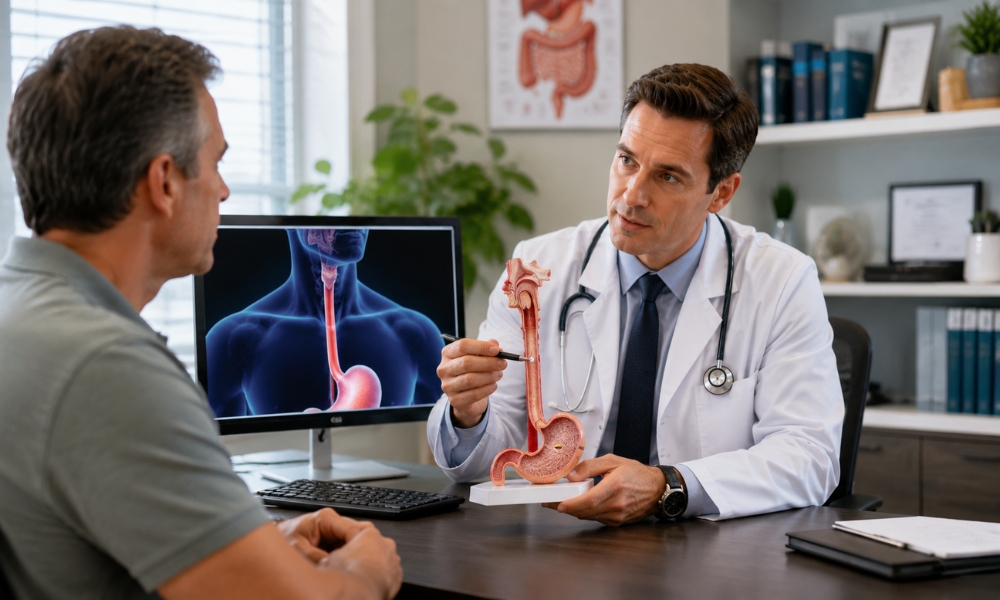
Common Symptoms That May Accompany Difficulty Swallowing
Dysphagia rarely occurs by itself. The symptoms surrounding swallowing problems often provide valuable clues about the underlying condition.
You may experience:
- Food feeling stuck in your throat or chest
- Needing repeated sips of water to swallow
- Pain while swallowing
- Heartburn or chronic acid reflux
- Regurgitation of food shortly after swallowing
- Coughing or choking during meals
- A sensation that food comes back into your mouth
- Unexplained weight loss because eating becomes difficult
- Avoiding certain foods due to fear of them getting stuck
Some patients notice symptoms only occasionally, while others find that swallowing becomes progressively more difficult over several months. Worsening symptoms should always prompt medical evaluation.
Difficulty swallowing is also commonly associated with chronic acid reflux, especially when stomach acid repeatedly irritates the lining of the esophagus.
Common Causes of Difficulty Swallowing
Dysphagia isn't a disease itself. Instead, it's a symptom that can result from several different digestive conditions. Identifying the specific cause is essential because treatment varies depending on what's affecting the esophagus.
Gastroesophageal Reflux Disease (GERD)
One of the most common digestive causes of swallowing difficulty is chronic gastroesophageal reflux disease (GERD). Over time, repeated exposure to stomach acid can inflame the lining of the esophagus. As healing occurs, scar tissue may develop, gradually narrowing the passageway.
This narrowing, known as an esophageal stricture, makes it increasingly difficult for solid foods to pass comfortably.
Patients with GERD often notice:
- Frequent heartburn
- Acid regurgitation
- A sour taste in the mouth
- Difficulty swallowing solid foods
- Chest discomfort after meals
If acid reflux contributes to your symptoms, treatment may involve both managing reflux and addressing any narrowing that has already developed. Learn more about acid reflux treatment in Katy.
Esophageal Stricture
An esophageal stricture is a narrowing of the esophagus that physically limits the space available for food to pass. Chronic acid reflux is the most common cause, although previous surgery, radiation therapy, certain medications, or long-standing inflammation can also contribute.
People with strictures often notice that meats, bread, and dense foods become increasingly difficult to swallow while liquids continue to pass relatively normally.
Eosinophilic Esophagitis (EoE)
Eosinophilic esophagitis is a chronic inflammatory condition in which allergic immune cells accumulate within the lining of the esophagus. Over time, inflammation may cause stiffening, narrowing, and repeated episodes of food becoming stuck.
EoE is increasingly recognized in both adults and children and frequently occurs in people with allergies, eczema, or asthma. Diagnosis typically requires an upper endoscopy with small tissue biopsies.
Schatzki Ring
A Schatzki ring is a thin ring of tissue that develops near the lower end of the esophagus. Many people never know they have one until food suddenly becomes lodged during a meal. Symptoms often appear unexpectedly, particularly while eating meat or bread.
Fortunately, many Schatzki rings can be successfully treated with minimally invasive endoscopic procedures performed by a gastroenterologist.
Important Note
Experiencing food stuck in your throat or chest can be frightening, but it doesn't always mean something life-threatening is happening. Many swallowing disorders are highly treatable once the underlying cause is identified. Rather than avoiding certain foods or changing your eating habits indefinitely, a proper evaluation can often provide lasting relief and help prevent future episodes.
Less Common but Important Causes of Difficulty Swallowing
While acid reflux and esophageal narrowing account for many cases of dysphagia, they aren't the only possible explanations. Gastroenterologists also evaluate for several other conditions that can interfere with normal swallowing.
Esophageal Motility Disorders
Sometimes the esophagus is structurally normal, but the muscles responsible for moving food don't contract properly. These conditions are known as esophageal motility disorders.
One of the best-known examples is achalasia, a condition in which the lower esophageal sphincter doesn't relax normally, preventing food from entering the stomach efficiently. Patients often describe food "sitting" in the chest before slowly passing through.
Other motility disorders can also cause chest pain, regurgitation, and difficulty swallowing both solids and liquids.
Esophageal Cancer
Although much less common than GERD or benign strictures, esophageal cancer is an important cause of progressive swallowing difficulty. Symptoms often begin gradually, with trouble swallowing solid foods before eventually affecting softer foods and liquids.
Additional warning signs may include:
- Unexplained weight loss
- Persistent chest discomfort
- Pain while swallowing
- Ongoing hoarseness
- Loss of appetite
Most people with dysphagia do not have esophageal cancer, but persistent or worsening swallowing problems should never be ignored. Early diagnosis significantly improves treatment options.
Neurological Conditions
Some swallowing disorders originate outside the digestive system. Conditions such as stroke, Parkinson's disease, multiple sclerosis, and certain neuromuscular disorders may interfere with the nerves that coordinate swallowing.
These patients often have difficulty initiating a swallow, cough while drinking liquids, or frequently choke during meals.
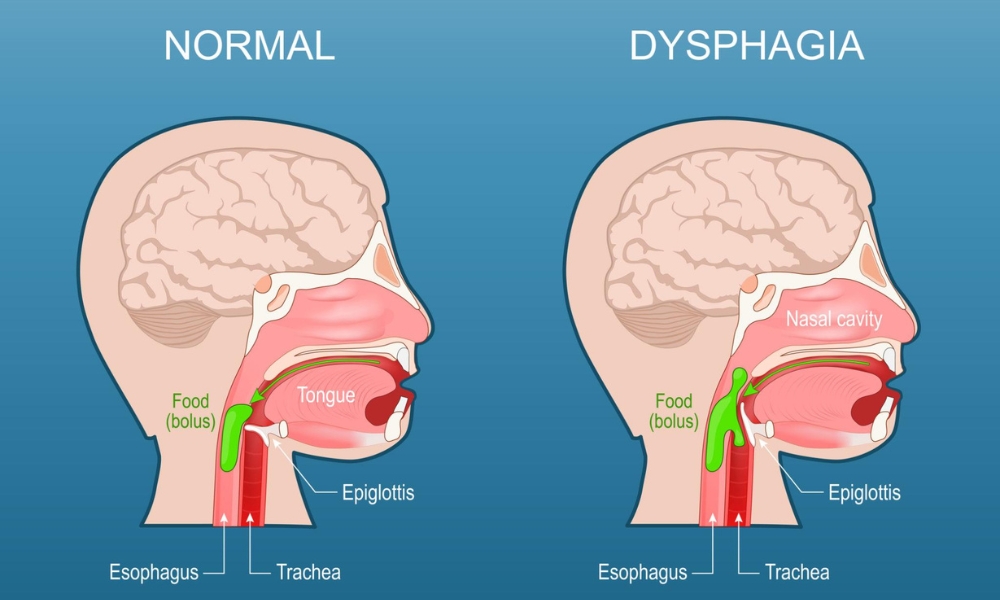
When Is Food Stuck an Emergency?
Occasionally feeling like food moves down slowly isn't necessarily an emergency. However, there are situations where immediate medical care is essential.
If food becomes completely lodged in the esophagus, it may not pass on its own. Some patients cannot swallow even small sips of water or saliva because the blockage prevents anything from reaching the stomach.
This condition, known as food impaction, usually requires urgent endoscopic removal.
Seek emergency medical care immediately if you:
- Cannot swallow saliva
- Feel completely unable to swallow liquids
- Experience severe chest pain after food becomes stuck
- Have difficulty breathing
- Begin choking and cannot clear the obstruction
- Continue vomiting after food becomes lodged
Trying to force food down by drinking excessive amounts of water or swallowing additional food is generally not recommended. Doing so may worsen the blockage or increase the risk of complications.
Even if the food eventually passes on its own, recurrent episodes should be evaluated because they often indicate an underlying esophageal disorder that requires treatment.
How Do Gastroenterologists Diagnose Difficulty Swallowing?
Diagnosing dysphagia begins with understanding exactly how your symptoms occur. Your gastroenterologist will ask detailed questions about when swallowing becomes difficult, whether solids or liquids are affected, how long symptoms have been present, and whether heartburn, weight loss, or chest discomfort accompanies your swallowing problems.
A careful medical history often provides valuable clues, but additional testing is frequently needed to identify the exact cause.
Upper Endoscopy
An upper endoscopy is one of the most important tools for evaluating difficulty swallowing. During this procedure, a thin flexible camera is passed through the mouth to examine the esophagus, stomach, and upper small intestine.
Endoscopy allows your physician to identify:
- Esophageal strictures
- Inflammation caused by GERD
- Eosinophilic esophagitis
- Schatzki rings
- Ulcers
- Tumors
- Areas requiring biopsy
In many cases, treatment can begin during the same procedure. For example, narrowed portions of the esophagus may often be gently dilated to improve swallowing.
Esophageal Biopsies
If eosinophilic esophagitis or another inflammatory condition is suspected, tiny tissue samples may be collected during endoscopy. These biopsies are painless and provide important information that cannot be seen with the camera alone.
Barium Swallow Study
A barium swallow is an imaging study in which patients drink a contrast liquid while X-ray images are taken. This test helps evaluate how food moves through the esophagus and may identify narrowing, abnormal muscle movement, or structural changes.
Esophageal Manometry
When muscle function appears to be the primary problem, esophageal manometry measures how well the muscles of the esophagus contract during swallowing. This specialized test is especially useful for diagnosing motility disorders such as achalasia.
Every patient does not require every test. Your gastroenterologist will recommend the most appropriate evaluation based on your symptoms, medical history, and physical examination.
Treatment Depends on the Underlying Cause
Because difficulty swallowing is a symptom rather than a diagnosis, treatment focuses on correcting the specific condition affecting the esophagus. Fortunately, many causes respond well to medical or minimally invasive therapies.
Treating Acid Reflux
When GERD is responsible for inflammation or narrowing, treatment often includes acid-reducing medications, lifestyle modifications, and dietary adjustments to allow the esophagus to heal while preventing additional damage.
Esophageal Dilation
If narrowing is causing food to become stuck, your gastroenterologist may perform esophageal dilation during an upper endoscopy. Carefully widening the narrowed area often provides significant improvement in swallowing.
Managing Eosinophilic Esophagitis
Treatment for EoE may include dietary changes, medications that reduce inflammation, and periodic monitoring to prevent future narrowing of the esophagus.
Treating Motility Disorders
Patients with esophageal muscle disorders may benefit from medications, specialized procedures, or surgery depending on the specific diagnosis.
Managing Serious Conditions
If testing identifies precancerous changes, Barrett's esophagus, or esophageal cancer, your gastroenterologist will coordinate additional care with the appropriate specialists to ensure timely treatment.
Early diagnosis often allows treatment before swallowing problems become severe or lead to complications such as malnutrition, dehydration, or repeated food impactions.
Can Difficulty Swallowing Be Prevented?
Not every cause of difficulty swallowing can be prevented, but taking care of your digestive health can lower the risk of developing several common esophageal conditions.
If you have chronic acid reflux, seeking treatment early is one of the best ways to protect your esophagus. Ongoing exposure to stomach acid can lead to inflammation, scarring, and narrowing over time. Managing reflux with lifestyle changes and appropriate medical care may help prevent these complications.
Simple habits can also make swallowing safer and more comfortable. Eating slowly, chewing food thoroughly, taking smaller bites, and avoiding lying down immediately after meals can reduce the likelihood of food becoming lodged.
Maintaining a healthy weight, avoiding tobacco products, limiting excessive alcohol consumption, and following treatment recommendations for chronic digestive conditions also support long-term esophageal health.
Most importantly, don't ignore persistent swallowing difficulties. Early evaluation often allows treatment before symptoms become severe or complications develop.
Living With Difficulty Swallowing
Many people unknowingly adjust their eating habits to compensate for dysphagia. They may avoid steak, bread, rice, or raw vegetables because these foods seem more likely to become stuck. Others begin eating more slowly, taking unusually small bites, or drinking large amounts of water with every meal.
While these strategies may temporarily reduce discomfort, they should not replace medical evaluation. If swallowing continues to worsen, nutritional deficiencies, dehydration, and unintended weight loss may eventually occur.
Receiving an accurate diagnosis often provides reassurance as well as effective treatment. Many patients experience significant improvement once the underlying condition—whether GERD, an esophageal stricture, eosinophilic esophagitis, or another disorder—is properly managed.
Keeping track of your symptoms can also be helpful. Consider noting which foods cause problems, whether symptoms occur every time you eat or only occasionally, and whether heartburn, chest discomfort, or regurgitation accompanies swallowing difficulty. These details can help your gastroenterologist determine the most likely cause.
Expert Care for Difficulty Swallowing in Katy, TX
If food repeatedly feels like it's getting stuck, swallowing becomes painful, or eating has become stressful, it's time to seek expert evaluation. Difficulty swallowing is often treatable, but identifying the underlying cause is essential for selecting the right treatment.
At Imperial Digestive Health Specialists PLLC, Dr. Oforbuike Ewelukwa provides comprehensive evaluation and treatment for swallowing disorders and other digestive conditions. Using advanced diagnostic procedures such as upper endoscopy, our goal is to determine why you're experiencing dysphagia and develop a personalized treatment plan based on your individual needs.
Whether your symptoms are related to chronic acid reflux, esophageal narrowing, eosinophilic esophagitis, or another gastrointestinal condition, early diagnosis can help relieve symptoms and reduce the risk of future complications.
If you're looking for an experienced gastroenterologist in Katy, TX, our team is committed to providing compassionate, evidence-based digestive care focused on your long-term health.
Frequently Asked Questions
Why does food keep getting stuck when I swallow?
Food may become stuck because of acid reflux-related scarring, an esophageal stricture, eosinophilic esophagitis, a Schatzki ring, motility disorders, or other conditions affecting the esophagus. A gastroenterologist can determine the exact cause through appropriate testing.
Is difficulty swallowing always caused by acid reflux?
No. While GERD is one of the most common causes, swallowing problems can also result from inflammation, structural narrowing, muscle disorders, neurological conditions, or, less commonly, esophageal cancer.
When should I worry about difficulty swallowing?
You should seek medical evaluation if swallowing difficulty persists, worsens over time, causes weight loss, is accompanied by pain or chest discomfort, or if food repeatedly becomes stuck.
Can an upper endoscopy diagnose swallowing problems?
Yes. An upper endoscopy is one of the most valuable tools for evaluating dysphagia because it allows your physician to examine the lining of the esophagus, identify narrowing or inflammation, obtain biopsies when needed, and sometimes perform treatment during the same procedure.
What should I do if food becomes completely stuck?
If you're unable to swallow saliva, liquids, or food because of a blockage, seek emergency medical care immediately. Complete food impaction often requires urgent endoscopic removal.
Can difficulty swallowing go away on its own?
Occasional symptoms related to eating too quickly may improve, but persistent or recurring dysphagia should not be ignored. Even if symptoms temporarily disappear, the underlying condition may continue to progress.
Final Thoughts
Difficulty swallowing is never something you should simply learn to live with. Although eating too quickly can occasionally make food feel temporarily stuck, recurring dysphagia often points to an underlying problem within the esophagus that deserves medical attention.
Conditions such as GERD, esophageal strictures, eosinophilic esophagitis, Schatzki rings, and motility disorders are frequently treatable, especially when diagnosed early. In some cases, swallowing difficulty may also be an early warning sign of a more serious condition, making timely evaluation especially important.
If you've started avoiding certain foods, relying on water to help every bite go down, or worrying about food getting stuck during meals, don't ignore those changes. A comprehensive evaluation by a gastroenterologist can identify the cause, provide effective treatment, and help you enjoy meals with greater confidence and comfort.
Medical Disclaimer
This article is intended for educational purposes only and should not be considered medical advice, diagnosis, or treatment. Difficulty swallowing should always be evaluated by a qualified healthcare professional, particularly if symptoms persist, worsen, or are accompanied by weight loss, chest pain, or food impaction. If you are unable to swallow saliva or experience difficulty breathing because food is stuck, seek emergency medical attention immediately.