
Do you have a hemorrhoid? Don’t worry, you’re...
Blood in Stool: Could It Be Hemorrhoids or Colon Cancer?
What to Do If You Have Blood in Your Stool
We understand that finding blood in your stool can be...
I’m Eating Plenty of Fiber — Why Am I Still Constipated?
Let’s face it. When you can’t...
How to Prepare for Your First Endoscopy
If you’re scheduled for your first endoscopy, and...
4 Foods That Can Increase Acid Reflux Symptoms
If you struggle with acid reflux symptoms, the foods you...
3 Types of Liver Disease and What They Mean for Your Health
Liver disease occurs for several different reasons....
Why Do I Keep Getting Hemorrhoids?
If you suffer from the discomfort of recurring...
How Do I Know If My Abdominal Pain Is Serious?
Stomachaches aren’t uncommon. Most everyone has...
3 Serious Signs of Constipation That Demand Care
Most people have a normal bowel movement anywhere from...
Here’s What You Should Know Before Your Colonoscopy
A colonoscopy is an excellent diagnostic technique we use...
Seeing blood in your stool can be alarming. For many people, it's a moment that immediately raises questions: "Is this just a hemorrhoid?" "Should I go to the emergency room?" "Could it be colon cancer?" While it's true that rectal bleeding is often caused by relatively common and treatable conditions, it should never be ignored. Your digestive system has a way of signaling when something isn't right, and blood in the stool is one of the clearest signs that medical evaluation is needed.
In some cases, the cause may be something as straightforward as a small hemorrhoid or an anal fissure. In others, rectal bleeding may be linked to inflammatory bowel disease, diverticular disease, colon polyps, or colorectal cancer. The color, amount, and frequency of bleeding can provide important clues, but they cannot reliably identify the underlying cause without proper evaluation.
Table of Contents
- What Does Blood in Stool Mean?
- Different Types of Rectal Bleeding
- Could It Just Be Hemorrhoids?
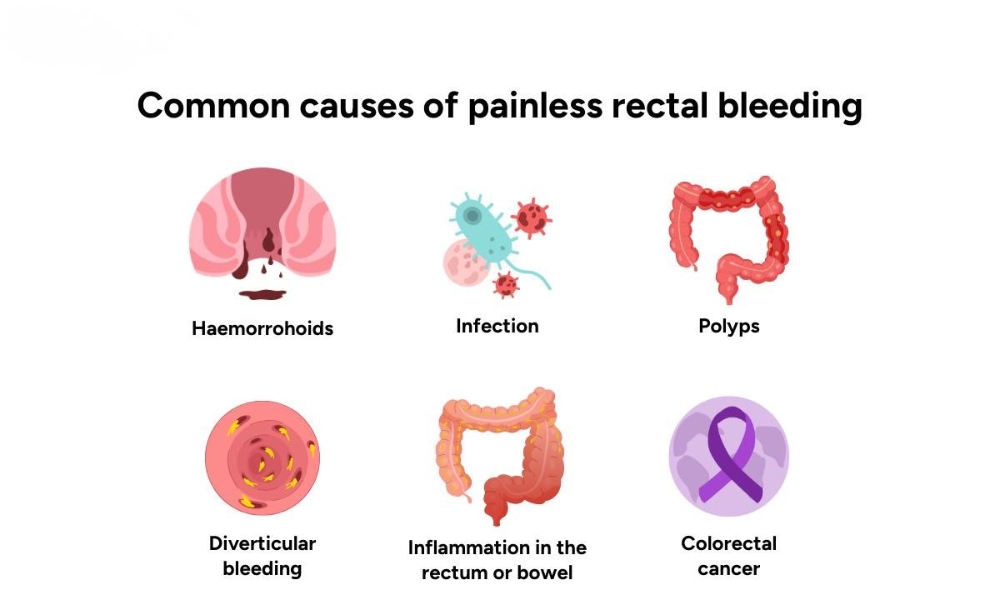
- Other Possible Causes of Blood in Stool
- When Could Blood Be a Sign of Colon Cancer?
- Warning Signs You Should Never Ignore
- How Gastroenterologists Diagnose Rectal Bleeding
- Treatment Options
- Important Things to Remember
- Expert Rectal Bleeding Evaluation in Katy, TX
- Frequently Asked Questions
Important Note
Many people delay seeking medical care because they assume rectal bleeding is "just hemorrhoids." While that is sometimes true, bleeding can also be an early warning sign of more serious digestive conditions. Understanding what your symptoms may mean—and knowing when to seek medical attention—can lead to earlier diagnosis, more effective treatment, and greater peace of mind.
What Does Blood in Stool Mean?
Blood in the stool simply means that bleeding is occurring somewhere within the digestive tract. The source may be very close to the anus, such as a hemorrhoid, or much farther up in the colon or upper gastrointestinal tract. Because the digestive system extends from the esophagus to the rectum, identifying where the bleeding originates is one of the most important parts of evaluation.
The appearance of the blood often provides valuable clues. Bright red blood usually suggests bleeding from the lower digestive tract, especially the rectum or anus. Dark maroon blood may indicate bleeding higher in the colon, while black, tarry stools can point toward bleeding from the stomach or upper intestines.
Even when bleeding seems minor or happens only once, it deserves medical attention. Some gastrointestinal conditions bleed intermittently, meaning symptoms may disappear for days or weeks before returning. Waiting until bleeding becomes severe may delay diagnosis of conditions that are much easier to treat when caught early.
If you've noticed blood after a bowel movement, blood mixed within the stool, or blood on toilet paper, scheduling a professional rectal bleeding evaluation is the safest next step rather than assuming the cause yourself.

Different Types of Rectal Bleeding and What They May Indicate
Not every episode of rectal bleeding looks the same. Paying attention to how the blood appears can help your gastroenterologist narrow down the possible causes, although testing is still necessary to confirm the diagnosis.
Bright Red Blood
Bright red blood is often associated with bleeding near the end of the digestive tract. Many people notice it on toilet paper, coating the stool, or dripping into the toilet bowl after a bowel movement. Common causes include hemorrhoids, anal fissures, rectal inflammation, or lower rectal lesions.
Although hemorrhoids are the most common explanation, bright red bleeding can also occur with colon polyps, inflammatory bowel disease, or colorectal cancer. This is why doctors recommend evaluation rather than relying on appearance alone.
Dark Red or Maroon Blood
Darker-colored blood often suggests bleeding from farther up in the colon. Diverticular disease, inflammatory bowel disease, vascular abnormalities, and certain tumors may produce maroon-colored stools. Because the blood spends more time traveling through the digestive tract, its appearance changes before leaving the body.
Black, Tarry Stool
Black stools with a sticky, tar-like appearance—known medically as melena—usually indicate bleeding from the upper gastrointestinal tract. Stomach ulcers, gastritis, esophageal conditions, or upper GI bleeding require prompt medical evaluation and may involve an upper endoscopy to identify the source.
Some foods, iron supplements, or medications can darken stool without indicating bleeding. However, distinguishing between harmless color changes and true gastrointestinal bleeding is not always possible at home.
Could It Simply Be Hemorrhoids?
Yes—hemorrhoids are one of the most common causes of rectal bleeding, particularly among adults who experience constipation, prolonged sitting, pregnancy, obesity, or frequent straining during bowel movements.
Hemorrhoids develop when veins inside or around the rectum become enlarged and swollen. Increased pressure causes these veins to stretch, making them more likely to bleed during bowel movements. Many patients notice bright red blood on toilet paper without significant pain, especially with internal hemorrhoids.
Other symptoms may include:
- Itching around the anus
- Burning discomfort
- A feeling of fullness after bowel movements
- Swelling near the anus
- Occasional mucus discharge
- A small lump that may appear after straining
Although hemorrhoids are common, they should never automatically be blamed for rectal bleeding—particularly if you're over age 45, have a family history of colorectal cancer, experience unexplained weight loss, or notice changes in bowel habits.
A gastroenterologist can determine whether hemorrhoids are truly responsible or whether additional testing is necessary. Learn more about hemorrhoids and available treatment options.
It's also worth remembering that hemorrhoids and another digestive condition can exist at the same time. Some patients have hemorrhoids but also develop colon polyps or inflammatory bowel disease. Treating one problem without identifying the other could allow a more serious condition to progress unnoticed.
If It Isn't Hemorrhoids, What Else Could Cause Blood in the Stool?
While hemorrhoids account for many cases of rectal bleeding, they are far from the only possibility. Gastroenterologists evaluate bleeding by considering your age, medical history, symptoms, risk factors, medications, and the appearance of the bleeding itself.
Anal Fissures
An anal fissure is a small tear in the lining of the anus. It commonly develops after passing hard stools or experiencing chronic constipation. Unlike hemorrhoids, fissures often cause sharp pain during bowel movements, followed by bright red bleeding.
If constipation contributes to repeated tearing, treating the underlying bowel problem becomes an important part of recovery. Patients dealing with persistent constipation may benefit from evaluation by a constipation specialist.
Diverticular Disease
Small pouches called diverticula can form in the wall of the colon, especially as people age. Occasionally, one of these pouches begins bleeding unexpectedly. Diverticular bleeding may appear dramatic, sometimes producing a significant amount of bright or dark red blood without much pain.
Although bleeding often stops on its own, some cases require hospitalization, colonoscopy, or additional treatment to prevent recurrence.
Inflammatory Bowel Disease
Ulcerative colitis and Crohn's disease are chronic inflammatory disorders that can cause bloody diarrhea, abdominal pain, urgency, fatigue, and weight loss. The bleeding often occurs because ongoing inflammation damages the intestinal lining.
Unlike hemorrhoids, inflammatory bowel disease usually causes additional digestive symptoms beyond isolated bleeding.
Colon Polyps
Colon polyps are growths that develop on the inner lining of the colon. Most are noncancerous, but some can gradually develop into colorectal cancer over time. Polyps frequently produce no symptoms at all, although some bleed intermittently.
Because patients often don't know polyps are present, routine colonoscopy screening remains one of the most effective ways to detect and remove them before cancer develops.
Important Note
Not every episode of rectal bleeding means you have a life-threatening condition. In fact, many causes are highly treatable, especially when evaluated early. The challenge is that symptoms from hemorrhoids, polyps, inflammatory bowel disease, and even colorectal cancer can overlap. Rather than trying to diagnose yourself based on internet searches, let a gastroenterologist determine the cause with the appropriate examination and testing. Early answers often lead to simpler treatments and better outcomes.
When Could Blood in the Stool Be a Sign of Colon Cancer?
One of the biggest reasons doctors take rectal bleeding seriously is that it can sometimes be an early symptom of colorectal cancer. Although hemorrhoids remain a much more common cause of bright red blood, assuming every episode is caused by hemorrhoids may delay the diagnosis of cancer or precancerous polyps.
Colorectal cancer often begins as a small polyp that slowly changes over several years. During this time, the growth may bleed only occasionally, making symptoms easy to dismiss. Some people notice blood once and never see it again for months. Others experience subtle changes that seem unrelated until they are viewed together.
It's also important to remember that colon cancer doesn't always cause pain. Many patients feel perfectly healthy while the disease is developing. That's one reason screening has become such an important part of preventive healthcare.
The likelihood that blood in the stool is related to colorectal cancer depends on several factors, including your age, family history, personal medical history, lifestyle, and whether other warning signs are present. However, the only reliable way to determine the cause is through a proper medical evaluation.
At Imperial Digestive Health Specialists PLLC, patients with unexplained rectal bleeding may undergo diagnostic testing, including a colonoscopy in Katy, TX, when clinically appropriate to identify the source of bleeding and rule out serious disease.
Risk Factors That Increase Concern
While anyone can develop colorectal cancer, certain factors increase the risk, including:
- Age 45 or older
- A family history of colorectal cancer or advanced polyps
- Inflammatory bowel disease
- A personal history of colon polyps
- Smoking
- Heavy alcohol use
- Obesity
- Type 2 diabetes
- A diet high in processed meats and low in fiber
Having one or more of these risk factors doesn't mean you have cancer. It simply means that rectal bleeding deserves careful evaluation rather than observation alone.
Warning Signs You Should Never Ignore
Some symptoms accompanying rectal bleeding deserve prompt medical attention because they may indicate a more serious digestive condition. Even if bleeding has occurred before and resolved on its own, new or worsening symptoms should not be overlooked.
You should schedule an evaluation promptly if you experience:
- Blood mixed throughout the stool rather than only on the surface
- Repeated episodes of rectal bleeding
- Unexplained weight loss
- Persistent abdominal pain
- A noticeable change in bowel habits lasting more than a few weeks
- Persistent diarrhea or constipation
- Iron-deficiency anemia
- Fatigue without an obvious explanation
- Narrow or pencil-thin stools
- A feeling that your bowels never completely empty
None of these symptoms automatically means cancer is present, but together they increase the importance of timely evaluation.
When Is Rectal Bleeding an Emergency?
Although many causes of rectal bleeding are not emergencies, certain situations require immediate medical attention.
Seek emergency care if you experience:
- Large amounts of continuous bleeding
- Passing blood clots repeatedly
- Severe dizziness or fainting
- Rapid heartbeat accompanied by bleeding
- Black, tar-like stools with weakness
- Severe abdominal pain with heavy rectal bleeding
Significant gastrointestinal bleeding can lead to dangerous blood loss and should never be managed at home.
How Do Gastroenterologists Diagnose the Cause of Blood in Stool?
Diagnosing rectal bleeding involves much more than identifying whether blood is present. Your gastroenterologist's goal is to determine exactly where the bleeding originates, why it's occurring, and whether treatment is needed immediately.
The evaluation begins with a detailed discussion about your symptoms. You'll likely be asked questions such as:
- When did the bleeding first begin?
- Is the blood bright red, dark red, or black?
- Does bleeding occur every bowel movement or only occasionally?
- Do you have pain during bowel movements?
- Have your bowel habits changed recently?
- Have you experienced weight loss, fever, or fatigue?
- Do you have a family history of digestive diseases or colorectal cancer?
After reviewing your medical history, a physical examination may help identify external hemorrhoids, fissures, or other visible causes. Depending on your symptoms, further testing may be recommended.
Colonoscopy
A colonoscopy remains the gold standard for evaluating unexplained lower gastrointestinal bleeding. During the procedure, a flexible camera examines the entire colon, allowing your physician to identify hemorrhoids, polyps, diverticular disease, inflammation, bleeding vessels, and colorectal cancer.
One major advantage of colonoscopy is that many abnormalities can be treated immediately. Polyps, for example, can often be removed during the same procedure, reducing future cancer risk.
If you're preparing for this procedure, reviewing proper colonoscopy preparation instructions can help ensure accurate results.
Upper Endoscopy
If black stools or upper gastrointestinal bleeding is suspected, your physician may recommend an upper endoscopy in Katy, TX. This procedure allows direct examination of the esophagus, stomach, and first portion of the small intestine.
Laboratory Testing
Blood work may help determine whether chronic bleeding has caused anemia. Stool testing may also identify hidden blood, infections, or inflammation that isn't visible to the naked eye.
Every patient's evaluation is individualized. Someone experiencing occasional bright red blood after constipation may need a different approach than someone with dark stools, abdominal pain, and unexplained weight loss.
Treatment Depends on the Underlying Cause
Because rectal bleeding is a symptom rather than a disease itself, treatment focuses on addressing the condition responsible for the bleeding. Once the source has been identified, your gastroenterologist can recommend a personalized treatment plan.
Hemorrhoid Treatment
For hemorrhoids, treatment may begin with conservative measures such as increasing dietary fiber, drinking more water, avoiding prolonged straining, using stool softeners when appropriate, and making lifestyle adjustments that reduce pressure on the rectal veins.
More persistent hemorrhoids may require office-based procedures or additional interventions if symptoms continue despite conservative treatment.
Anal Fissures
Most anal fissures improve by softening bowel movements and allowing the tear to heal. Increased fiber intake, hydration, and treatment of chronic constipation often play an important role in recovery.
Inflammatory Bowel Disease
Crohn's disease and ulcerative colitis usually require long-term medical management aimed at reducing inflammation, controlling symptoms, and preventing future flare-ups.
Diverticular Bleeding
Many episodes stop without intervention, but persistent bleeding may require colonoscopy or additional procedures to identify and control the source.
Colon Polyps
Most precancerous polyps can be removed during colonoscopy, preventing them from developing into colorectal cancer.
Colorectal Cancer
If cancer is diagnosed, treatment depends on the stage of disease and may include surgery, chemotherapy, radiation therapy, targeted therapy, or a combination of treatments coordinated by a multidisciplinary healthcare team.
The earlier colorectal cancer is detected, the greater the chance of successful treatment. This is one reason physicians encourage patients not to ignore even small amounts of unexplained rectal bleeding.
Can You Tell the Difference Between Hemorrhoids and Colon Cancer at Home?
One of the most common questions patients ask is whether they can tell if rectal bleeding is caused by hemorrhoids or something more serious simply by looking at the blood or paying attention to their symptoms. Unfortunately, the answer is no.
Although certain patterns can make one condition more likely than another, there is significant overlap between digestive disorders. Bright red blood may occur with hemorrhoids, but it can also be seen with colon polyps, inflammatory bowel disease, diverticular disease, and even colorectal cancer.
Likewise, someone with hemorrhoids may experience itching and discomfort, while another person with the same condition may have no pain at all. Colon cancer can sometimes cause abdominal discomfort, but many patients have no pain during the early stages.
Rather than trying to diagnose yourself, think of rectal bleeding as a signal that your digestive tract deserves attention. A proper evaluation can either confirm a benign condition or identify a more serious issue while treatment is most effective.
If you're experiencing ongoing digestive symptoms along with bleeding, a consultation with a gastroenterologist in Katy, TX can help determine the underlying cause and the most appropriate next steps.
Can Certain Foods or Medications Cause Blood in the Stool?
Many people wonder whether something they ate caused the red color they noticed in the toilet. While certain foods can change stool color, true blood in the stool should always be evaluated.
Foods such as beets, red gelatin, tomatoes, cranberries, and foods containing red food coloring may create the appearance of red stool. Likewise, iron supplements and medications containing bismuth can turn stool dark or black without actual bleeding.
However, these color changes can closely resemble gastrointestinal bleeding. Because it isn't always possible to distinguish between harmless food-related changes and true bleeding, it's safest to discuss persistent or unexplained changes with your healthcare provider.
Some medications can also increase the risk of gastrointestinal bleeding, including:
- Aspirin
- Ibuprofen and naproxen
- Blood thinners
- Certain anti-inflammatory medications
- Long-term corticosteroid use
If you're taking any of these medications and notice rectal bleeding, do not stop them on your own. Instead, contact your prescribing physician or gastroenterologist for guidance.
Can Blood in Stool Go Away on Its Own?
Sometimes it can—but that doesn't necessarily mean the underlying problem has resolved.
A small hemorrhoid may stop bleeding after bowel habits improve. An anal fissure may heal once constipation is treated. Even diverticular bleeding sometimes stops without intervention.
However, temporary improvement doesn't rule out more serious conditions. Colon polyps and colorectal cancer often bleed intermittently, meaning the bleeding may disappear for weeks or months before returning.
This is why physicians recommend evaluation based on the overall clinical picture rather than whether symptoms happen every day. If you've experienced unexplained rectal bleeding—even if it has stopped—it's still worth discussing with a gastroenterologist.
Can Blood in Stool Be Prevented?
Not every cause of rectal bleeding can be prevented, but healthy digestive habits can lower the risk of several common conditions.
A fiber-rich diet helps keep stools soft, reducing strain during bowel movements and lowering the likelihood of hemorrhoids and anal fissures. Drinking plenty of water throughout the day also supports healthy bowel function.
Regular physical activity encourages normal intestinal movement and may reduce constipation, while maintaining a healthy weight can decrease pressure on the rectal veins.
Equally important is staying current with colorectal cancer screening. Many colon polyps develop silently for years before causing symptoms. Detecting and removing these polyps during a screening colonoscopy can significantly reduce the risk of colorectal cancer.
If you frequently experience constipation, persistent acid reflux, abdominal pain, or other digestive concerns, addressing them early may also help prevent complications. Imperial Digestive Health Specialists PLLC offers comprehensive care for conditions including acid reflux, chronic constipation, and many other gastrointestinal disorders.
Expert Rectal Bleeding Evaluation in Katy, TX
Rectal bleeding should never be dismissed as "probably hemorrhoids" without appropriate medical evaluation. Whether you've noticed blood once or you're experiencing recurring symptoms, identifying the cause is the first step toward effective treatment and long-term digestive health.
At Imperial Digestive Health Specialists PLLC, patients receive compassionate, evidence-based care from a board-certified gastroenterologist experienced in diagnosing a wide range of digestive conditions. Using advanced diagnostic procedures—including endoscopy and colonoscopy—our goal is to identify the source of bleeding accurately and recommend personalized treatment based on your individual needs.
Whether your symptoms are related to hemorrhoids, inflammatory bowel disease, colon polyps, diverticular disease, or another gastrointestinal condition, early evaluation can provide answers and help prevent more serious complications.
If you've been searching for a trusted GI doctor near you in Katy, our team is here to help you better understand your symptoms and develop a treatment plan focused on your long-term digestive health.
Frequently Asked Questions
Is bright red blood always caused by hemorrhoids?
No. While hemorrhoids are a common cause of bright red rectal bleeding, the same symptom may also occur with anal fissures, colon polyps, inflammatory bowel disease, diverticular disease, or colorectal cancer. A medical evaluation is the only reliable way to determine the cause.
Can hemorrhoids and colon cancer occur at the same time?
Yes. Having hemorrhoids does not protect someone from developing colon polyps or colorectal cancer. It's possible for two conditions to exist simultaneously, which is why persistent or unexplained bleeding should not be attributed to hemorrhoids without evaluation.
When should I see a doctor for blood in my stool?
You should schedule an appointment whenever you notice unexplained rectal bleeding, especially if it recurs, is accompanied by abdominal pain, changes in bowel habits, unexplained weight loss, fatigue, or a family history of colorectal cancer.
Does every patient with blood in the stool need a colonoscopy?
Not always. The need for a colonoscopy depends on your age, symptoms, medical history, risk factors, and findings from your examination. Your gastroenterologist will recommend the most appropriate evaluation for your situation.
Can constipation cause blood in the stool?
Yes. Chronic constipation can lead to hemorrhoids or anal fissures, both of which may cause bright red bleeding during bowel movements. Treating constipation often helps reduce the risk of these conditions recurring.
Is blood in stool ever normal?
No. Even if the cause turns out to be minor, blood in the stool is not considered a normal finding and should be evaluated by a healthcare professional.
Final Thoughts
Finding blood in your stool can be unsettling, but it should also be viewed as an opportunity to identify and treat a digestive problem before it becomes more serious. While hemorrhoids remain one of the most common causes of rectal bleeding, they are only one possibility. Conditions such as anal fissures, inflammatory bowel disease, diverticular disease, colon polyps, and colorectal cancer can produce similar symptoms.
The good news is that today's diagnostic tools allow gastroenterologists to identify the source of bleeding with greater accuracy than ever before. Early evaluation not only provides peace of mind but also improves the chances of treating many gastrointestinal conditions before complications develop.
If you've experienced unexplained blood in your stool, don't wait for the symptom to return or become worse. Seeking prompt evaluation is one of the most important steps you can take to protect your digestive health.
Medical Disclaimer
This article is intended for educational purposes only and should not be considered medical advice, diagnosis, or treatment. Every patient is different, and symptoms should be evaluated by a qualified healthcare professional. If you experience persistent rectal bleeding, severe abdominal pain, dizziness, black tarry stools, or heavy bleeding, seek immediate medical attention. For personalized digestive care, schedule an appointment with a qualified gastroenterologist.